

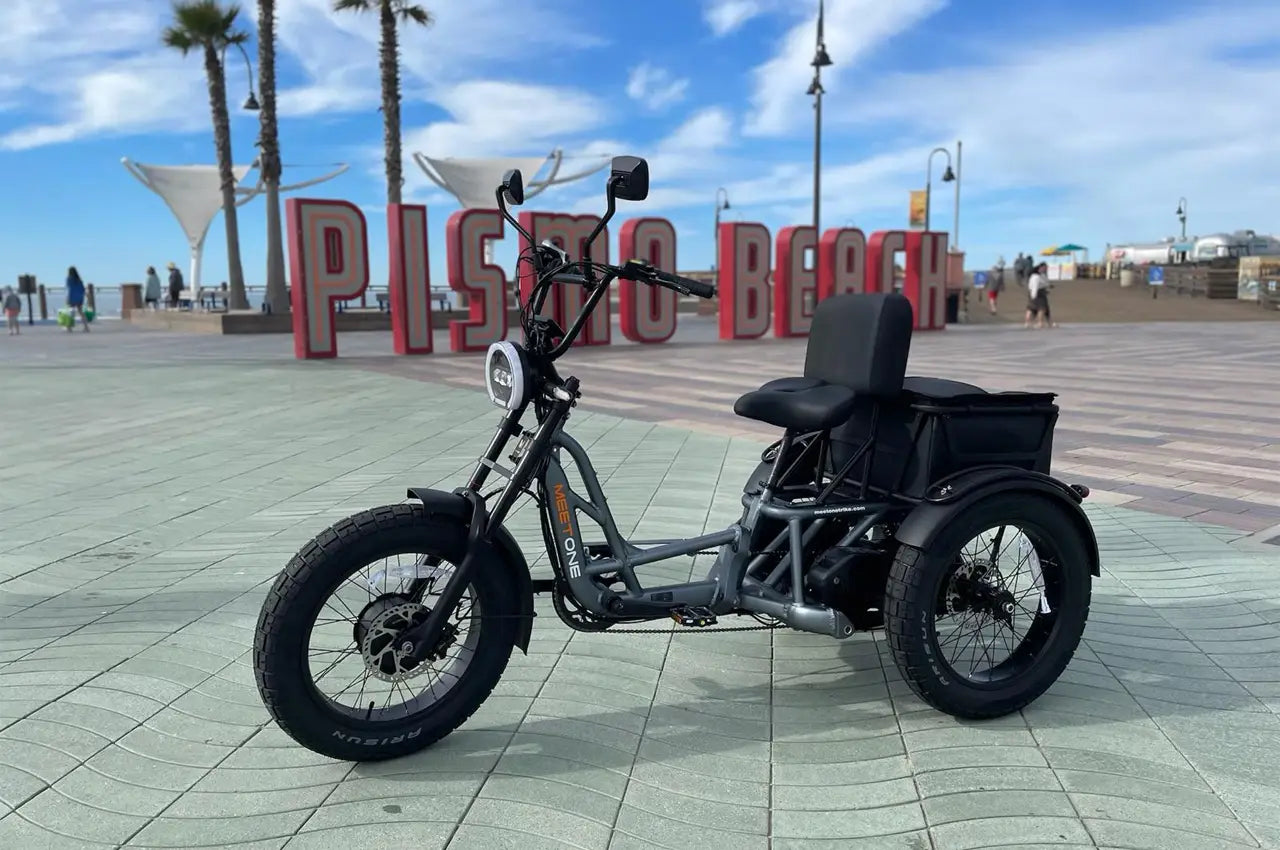
Yes, an electric trike can tip over, but it is much more stable than a regular two-wheel bike during normal riding. Most tipping risks come from sharp turns, high speeds, uneven ground, sudden leaning, or unbalanced cargo.
So, you're thinking about getting an electric trike — maybe because keeping your balance isn’t as easy as it used to be, or maybe you're looking for a safer, more comfortable way to stay active. That’s exactly why many riders choose three wheels instead of two.
Three wheels give an electric trike better low-speed stability, especially when starting, stopping, or waiting at a crossing. However, an electric trike is not completely tip-proof. Safe riding habits and stable trike design still matter.
Are Electric Trikes More Stable Than Regular Bikes?
Electric trikes are more stable than regular two-wheel bikes because they do not require the rider to balance at stops or low speeds. You can come to a stop and just chill there — no foot down, no wobble, nothing.
That’s one of the biggest reasons people go for them, especially riders who’ve had injuries, balance issues, or just don’t feel super confident on two wheels anymore. A three-wheel base makes starting, stopping, and slow riding feel much more controlled.
But — and here’s where we get real — electric trikes are not totally tip-proof. They are stable by design, but riding habits, road surface, speed, rider position, and cargo weight still matter.
When Do Electric Trikes Tip Over?
Electric trikes can tip over when too much weight shifts to one side of the trike. This usually happens during sharp turns, high-speed cornering, sudden leaning, uneven terrain, or uneven cargo loading.
Here are the most common reasons:
- Sharp turns at high speed: Just like a car, if you corner too fast, your weight shifts outward. On a narrow or top-heavy trike, that can increase the chance of tipping.
- Leaning too much while turning: If you throw your weight hard to one side while the trike is already turning, it can mess with the balance and shift the center of gravity.
- Holding on too tight: Weirdly, when people start to feel like they're losing balance, their instinct is often to grip the handlebars even harder. That can lead to sudden steering input and make the trike feel less controlled.
- Riding too fast over rough ground: Potholes, curbs, gravel, bumps, and sloped surfaces can affect stability, especially if you hit them at speed.
- Carrying uneven cargo: Heavy bags or cargo placed mostly on one side can make the trike feel unbalanced during turns.
👉 Want to feel even more confident on the road? Check out our guide on how to ride an electric trike uphill — it’s packed with tips on handling, positioning, and staying steady, especially when the terrain gets tricky.
Now, none of this is to scare you. It’s just stuff to be aware of. Because here's the thing: the right trike design and the right riding habits can make tipping very unlikely.
What Trike Design Features Help Prevent Tipping?
Trike design affects tipping risk because wheelbase, frame geometry, tire width, seat height, rider position, and center of gravity all influence stability. A well-designed electric trike should feel planted, predictable, and easy to control during everyday riding.
If tipping is your biggest worry, the most important thing is how the trike is built. The right design helps keep the rider’s weight centered and keeps all three wheels more stable on the ground.
- Extended frame: A longer wheelbase can improve straight-line stability and make the trike feel more controlled.
- Forward pedal position: When your feet rest out in front instead of directly under you, your riding posture can feel more relaxed and balanced.
- Semi-recumbent riding posture: A slightly leaned-back position with back support can feel more secure than sitting upright on a narrow saddle.
- Fat tires: Wider tires provide more grip, more cushioning, and a wider contact patch on the road.
- Comfort-focused seat: A wide seat and tall backrest help you feel settled into the trike instead of balancing on top of it.
No design can make an electric trike impossible to tip. But a stable frame, supportive seat, wider tires, and lower center of gravity can make tipping much less likely during normal riding.
What If I Lose My Balance?
If you lose your balance on an electric trike, the trike itself usually stays upright because the three-wheel base supports the vehicle. In most normal situations, you might shift in your seat a bit, but you are not going to fall over the same way you might on a regular bike.
That’s the cool part about electric trikes. You’re not constantly using your body to keep the vehicle upright. The three wheels do a lot of that work for you, especially when stopping, starting, or riding slowly.
And if your seat has a backrest or extra support, even better. A supportive seat helps keep your body centered, especially when your balance doesn’t feel perfectly steady.
That said, sudden leaning can still affect stability during a turn. If you lose balance while cornering, try to stay calm, keep your body centered, and avoid yanking the handlebars.
How Can You Reduce the Risk of Tipping?
The best way to reduce tipping risk on an electric trike is to slow down before turns, keep your body centered, steer smoothly, and avoid hitting uneven ground at speed. Most tipping risks come from speed, sudden movement, or uneven weight distribution.
Stick to:
- Slower, controlled turns
- A centered riding posture
- Smooth steering instead of sudden handlebar pulls
- Lower speed on potholes, curbs, gravel, and uneven paths
- Evenly distributed cargo weight
- Extra practice in a quiet, open area before riding in busier places
Once you get used to how an electric trike turns, it starts to feel natural. The key is not to ride it exactly like a two-wheel bike.
So, Final Answer — Can an Electric Trike Tip?
Yes, an electric trike can tip.
But with the right design, the right habits, and the right mindset, it probably won’t during normal everyday riding.
Stick to slower turns, keep your weight centered, avoid yanking the handlebars if you panic, and slow down when the terrain gets rough. Those habits make tipping something you understand, not something you have to constantly worry about.
Want to Feel More Confident?
If tipping is your worry, the best way to beat that fear is to practice on a properly designed electric trike in a safe, open area. Start with slow turns, gentle braking, smooth starts, and relaxed steering.
Once you feel how stable a three-wheel setup can be, especially when stopping or riding slowly, you’ll see why so many riders choose electric trikes for comfort and confidence.
And hey, if you’ve got questions before you ride, ask them. Riding should be fun — not stressful.
Electric Trike Tipping FAQ
Can an electric trike tip over?
Yes, an electric trike can tip over, especially during sharp high-speed turns, sudden leaning, uneven terrain, or unbalanced cargo loading. However, electric trikes are much more stable than regular two-wheel bikes during normal riding.
Why do electric trikes tip during turns?
Electric trikes can tip during turns when speed and steering angle shift too much weight to the outside of the turn. Slowing down before turning is the best way to reduce this risk.
Are electric trikes safer than regular bikes?
Electric trikes are often safer for riders who struggle with balance because they do not require balancing at stops or low speeds. Riders still need to turn slowly, avoid rough terrain at speed, and keep cargo weight balanced.
Does rider position affect trike stability?
Yes, rider position affects trike stability. Keeping your body centered and avoiding sudden leaning helps keep the trike more stable, especially during turns or on uneven surfaces.
How can I prevent an electric trike from tipping?
To reduce tipping risk, slow down before turns, steer smoothly, keep your body centered, avoid sudden handlebar movements, ride carefully over bumps, and distribute cargo weight evenly.


Share:
Electric Trike Battery Care Guide
How to Prevent Electric Trike Theft